
Archeology
First time finding ancient Roman coins in Japan
On September 28, Japanese archaeologists said they first found ancient Roman coins in the ancient castle ruins on the southern island of Okinawa.
Browse ScienceInfo articles and explainers related to Ancient Roman.
92 published items.
On September 28, Japanese archaeologists said they first found ancient Roman coins in the ancient castle ruins on the southern island of Okinawa.

Who would have expected, this happened 1,500 years ago, causing the powerful Roman empire to collapse.
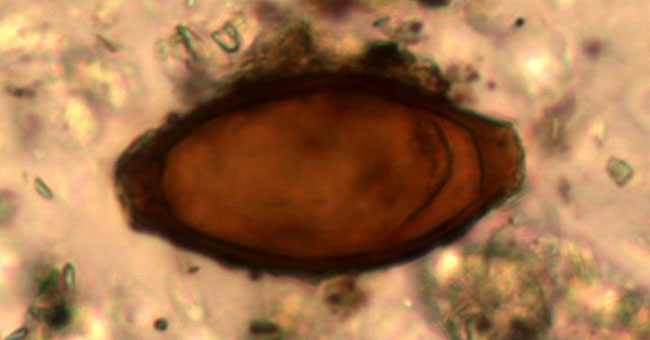
Ancient Romans contributed to the risk of parasites such as worms, and lice increased significantly.

Italian archaeologists discovered the remains of an ancient arena dating back thousands of years in Tuscany.
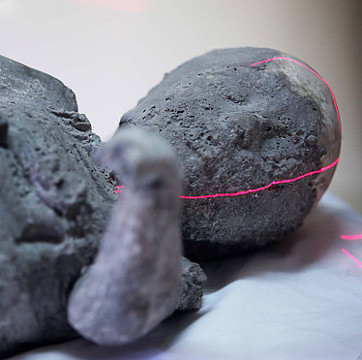
The CT scan results showed that the Romans killed in a volcanic eruption nearly 2,000 years ago had strong teeth thanks to a diet low in sugar and lots of vegetables.
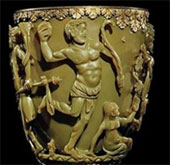
The 1,600-year-old cup from ancient Rome is turquoise when light shines from the front and turns red when light shines from behind.
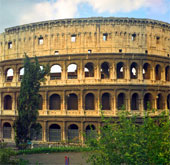
More than 2,000 years ago, the Romans developed a standard formula for making mortar that links pebbles and stones made of volcanic ash and bricks to build structures.
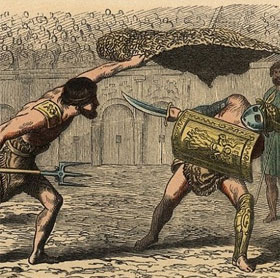
Researchers have recently discovered a diet rich in plants and meatless Roman gladiators.

This statue is 12.5cm tall with the breast, wings, eyes and crests covered in green and blue enamel. The ponytail is also glazed and removable.
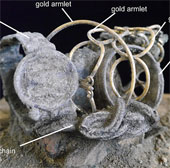
A series of ancient Roman jewels were unearthed beneath a department store in London, England, dating back nearly 2,000 years.
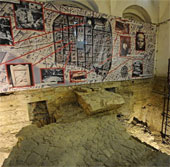
The latest archaeological findings in this archaeological area in the heart of the Tuscany region include a stone-paved walkway with colored painted stones.
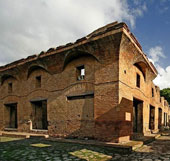
The ancient Roman port of Ostia was built on the mouth of the river Tiber, it was built into a giant complex under Emperor Claudius and named Portus-meaning port.

The letter revealed in part the sentiment and longing for the Roman soldier to participate in fighting for the army.
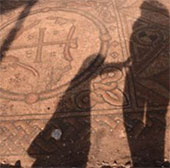
Israeli archaeologists announced on January 22 that they discovered the background of one of the largest churches of ancient Rome, about 1,500 years ago.
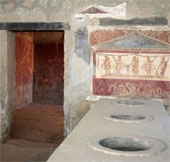
According to archaeologists, the poor class of ancient Romans also knew how to eat sea urchins or even giraffes ...